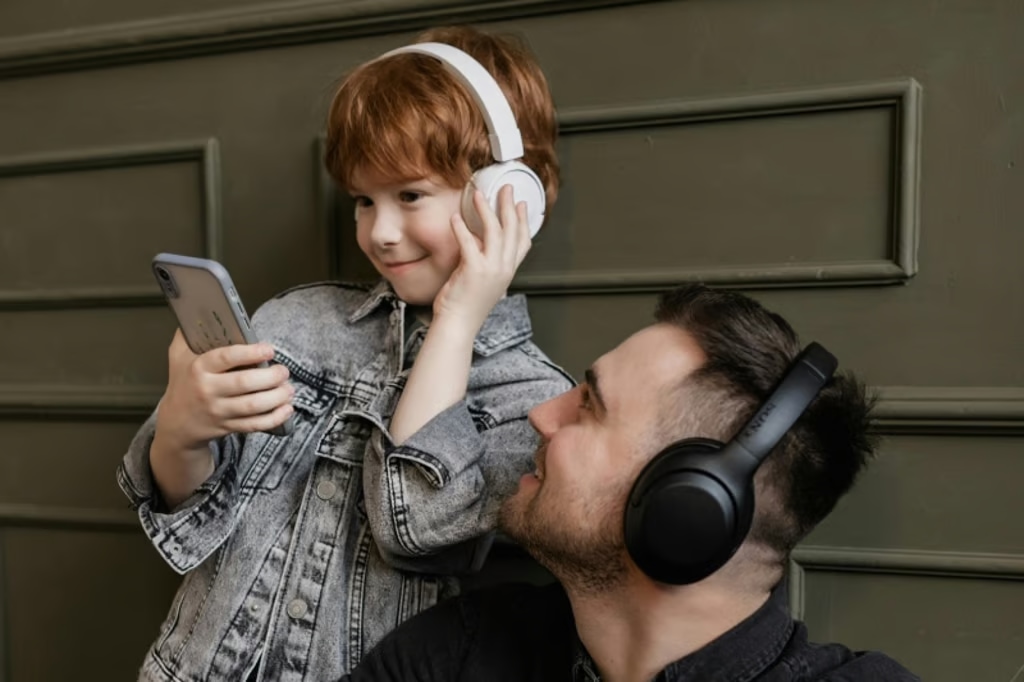
But What Exactly is Emotional Intelligence, and Why is it So Crucial for Our Little Ones? At its core, emotional intelligence is the ability to recognise, understand, and manage our own emotions and recognise, understand, and influence the emotions of others. It’s a skill set that’s just as important as academic intelligence, if not more so, in navigating the complexities of life.
For children, developing emotional intelligence is like being given a map and compass to navigate the often turbulent seas of their feelings. It helps them build stronger relationships, make better decisions, and cope more effectively with life’s challenges. So, how can we, as parents, help our children develop this vital skill? Let’s embark on this emotional journey together.
The Language of Emotions
The first step in developing emotional intelligence is helping children identify and name their emotions. It’s like teaching them a new language—the language of feelings. Just as we point to objects and name them for toddlers learning to speak, we can point out emotions as they occur.
When your child is clearly frustrated with a puzzle, you might say, “It looks like you’re feeling frustrated. Is that right?” This not only helps them identify the emotion but also validates their experience. Over time, they’ll begin to recognise and name these feelings on their own.
Remember, the goal isn’t to always have a perfectly calm child. All emotions, even the uncomfortable ones, serve a purpose. The aim is to help children recognise and understand their feelings, not to suppress them.
The Body-Emotion Connection
Emotions aren’t just felt in our hearts but also our bodies. Teaching children to recognise the physical signs of emotions can help them identify their feelings earlier. You might ask, “How does your body feel when you’re excited? Do you feel butterflies in your tummy? Does your heart beat faster?”
This body awareness can be particularly helpful for intense emotions like anger. A child who can recognise the physical signs of anger—clenched fists, a hot face, a tight chest—is better equipped to manage those feelings before they escalate into a full-blown meltdown.
Emotion Regulation: The Toolbox Approach
Once children can identify their emotions, the next step is learning how to manage them. Think of this as building an emotional toolbox—a set of strategies children can use to cope with different feelings.
For a child feeling anxious about a school presentation, the toolbox might include taking deep breaths, visualising a calm place, or squeezing a stress ball. For a child struggling with anger, it might involve counting to ten, taking a “cool down” walk, or using art to express their feelings.
The key is to explore different strategies together and help your child find what works best for them. Remember, what soothes one child might not work for another. The process of discovering these tools is just as valuable as the tools themselves.
Empathy: Stepping into Another’s Shoes
Emotional intelligence isn’t just about understanding our own emotions—it’s also about recognising and responding to the feelings of others. This is where empathy comes in.
You can nurture empathy by encouraging your child to consider others’ perspectives. When reading stories together, ask questions like, “How do you think the character felt when that happened?” or “What would you do if you were in their situation?” These discussions help children practice putting themselves in someone else’s shoes.
Real-life situations provide excellent opportunities for empathy practice too. If a sibling is upset about losing a game, you might prompt, “Your sister seems sad. How could we help her feel better?”
The Power of Emotional Coaching
As parents, we can act as emotional coaches for our children. This involves validating their emotions, helping them label their feelings, and guiding them towards appropriate ways to express and manage those emotions.
For instance, if your child is angry because they have to share a toy, you might say, “I can see you’re feeling angry about sharing your toy. It’s okay to feel angry, but it’s not okay to hit. What else could you do instead?” This approach acknowledges the emotion, sets clear boundaries on behaviour, and encourages problem-solving.
Modelling Emotional Intelligence
Children learn a great deal by watching us. When we handle our own emotions well, we’re providing a powerful example for our children. This doesn’t mean never showing negative emotions. Instead, it means demonstrating healthy ways to express and manage those feelings.
You might say, “Daddy’s feeling frustrated because he’s stuck in traffic. I’m going to take some deep breaths to help me calm down.” This shows your child that it’s normal to have difficult emotions and provides a model for how to cope with them.
Creating an Emotion-Friendly Home
Fostering emotional intelligence isn’t about having serious discussions all the time. It can be woven into everyday life in fun and natural ways. You might create a feelings chart with faces expressing different emotions, play emotion charades, or read books that explore different feelings.
The key is to create an environment where talking about emotions is normal and accepted. When children feel safe expressing their emotions without judgment, they’re more likely to develop strong emotional intelligence.
The Long-Term Benefits
By helping our children develop emotional intelligence, we’re giving them a gift that will serve them well throughout their lives. Emotionally intelligent children often become adults who have stronger relationships, better mental health, and greater success in their personal and professional lives.
Remember, developing emotional intelligence is a journey, not a destination. There will be bumps along the way, and that’s okay. Each emotional moment, whether it’s a joyful giggle or a tearful tantrum, is an opportunity for growth and learning.
So, let’s embrace this emotional journey with our children. Let’s create a world where feelings are friends to be understood, not foes to be conquered. In doing so, we’re not just raising emotionally intelligent children—we’re nurturing compassionate, resilient individuals who are well-equipped to navigate the complexities of human emotions and relationships.