Reading aloud is more than just a prelude to independent reading or a way to lull children to sleep. It’s a powerful alchemical process, transforming mere words on a page into gateways of imagination, building blocks of language, and bridges of understanding between parent and child. In a world increasingly dominated by screens and sound bites, the intimate act of shared reading stands as a bastion of deep connection and unhurried discovery.
Let us embark on a journey through the enchanted realm of reading aloud, exploring how this timeless practice nurtures both mind and heart, fostering literacy skills that will serve children throughout their lives while strengthening the bonds that tie families together.
The Literacy Landscape: Cultivating Language Skills
At its most fundamental level, reading aloud is a master class in language. As children listen to stories, they’re immersed in a rich linguistic environment that far surpasses everyday conversation. The vocabulary in books is often more varied and sophisticated than what children encounter in daily life, exposing them to new words in context and helping to build a robust mental lexicon.
But it’s not just about vocabulary. The rhythm and flow of written language, when read aloud, helps children internalise the patterns of grammar and syntax. They begin to understand how sentences are constructed, how ideas are connected, and how language can be used to paint vivid pictures in the mind’s eye.
Moreover, the act of listening to stories helps develop crucial comprehension skills. As children follow along, they learn to predict what might happen next, infer meaning from context, and connect new information with what they already know. These are the building blocks of critical thinking and analysis, skills that will serve them well across all areas of learning.
The Emotional Resonance: Strengthening Family Bonds
Beyond its cognitive benefits, reading aloud is a powerful tool for emotional connection. In the busy whirl of modern family life, it carves out a space for undivided attention and shared experience. As parents and children lose themselves in a story together, they create a shared imaginative world, a secret garden of the mind that belongs to them alone.
This shared experience becomes a touchstone for family identity and values. The stories we read together often become part of our family lore, referenced in inside jokes or called upon in times of need. A character’s bravery might be invoked when a child faces a new challenge or a book’s message of kindness might be remembered when discussing how to treat others.
The physical closeness often involved in reading aloud – a child nestled in a parent’s lap or snuggled close on the sofa – also contributes to emotional bonding. This combination of physical proximity and focused attention creates a powerful sense of security and connection that nurtures a child’s emotional well-being.
The Window to the World: Expanding Horizons
Books are windows to worlds beyond our immediate experience, and reading aloud throws these windows wide open. Through stories, children can explore different cultures, historical periods, or fantastical realms, all from the safety of their own homes. This exposure to diverse experiences and perspectives helps foster empathy, curiosity, and a broader understanding of the world.
For parents, reading aloud provides natural opportunities to discuss complex or sensitive topics with children. A character’s dilemma in a story can serve as a springboard for conversations about ethics, emotions, or social issues, allowing families to explore these subjects together in a non-threatening way.
The Foundation of Learning: Nurturing Academic Skills
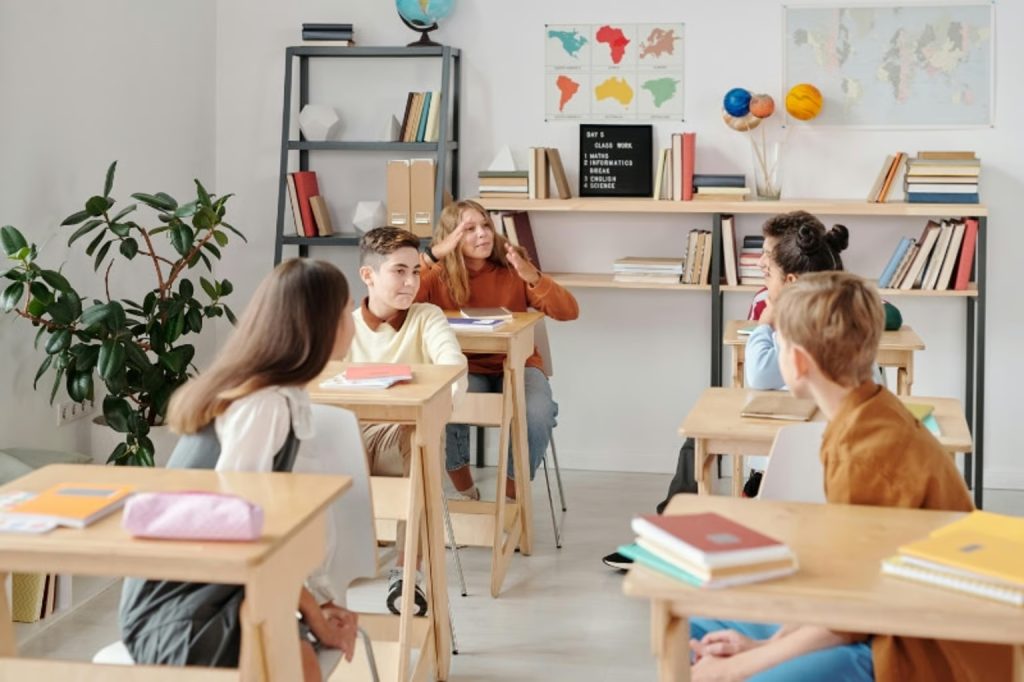
The benefits of reading aloud extend far beyond literacy skills. Regular exposure to books helps children develop longer attention spans and better listening skills, attributes that are crucial for success in school and beyond. The ability to sit quietly and focus on a story translates directly to the ability to concentrate in a classroom setting.
Furthermore, different genres of books introduce children to various subjects – science, history, art, and more – sparking interests that may shape their future pursuits. A story about space exploration might ignite a passion for astronomy, or a tale about ancient civilisations could foster a lifelong interest in history.
The Joy of Reading: Cultivating a Lifelong Love of Books
Perhaps one of the most enduring gifts of reading aloud is the way it can instil a love of reading that lasts a lifetime. When reading is associated with warmth, attention, and enjoyment from an early age, children are more likely to view it as a pleasurable activity rather than a chore. This positive association can motivate them to become avid independent readers as they grow older.
The Art of Reading Aloud: Techniques for Engagement
While simply reading the words on the page has value, the art of reading aloud involves much more. Using different voices for characters, varying the pace and tone to match the story’s mood, and pausing to ask questions or make observations all enhance the experience. These techniques make the story more engaging and model expressive reading, a skill children will later apply to their reading.
Encouraging children to participate in the reading process – perhaps by turning pages, pointing out familiar words, or joining in on repetitive phrases – helps maintain their engagement and gives them a sense of ownership in the activity.
The Evolving Practice: Reading Aloud as Children Grow
While often associated with young children, reading aloud remains valuable even as children become independent readers. For older children and teenagers, it can be a way to tackle more complex texts together, discussing themes and ideas that might be challenging to navigate alone. It also allows families to stay connected through shared stories even as children’s lives become busier and more independent.
The Digital Age: Navigating New Formats
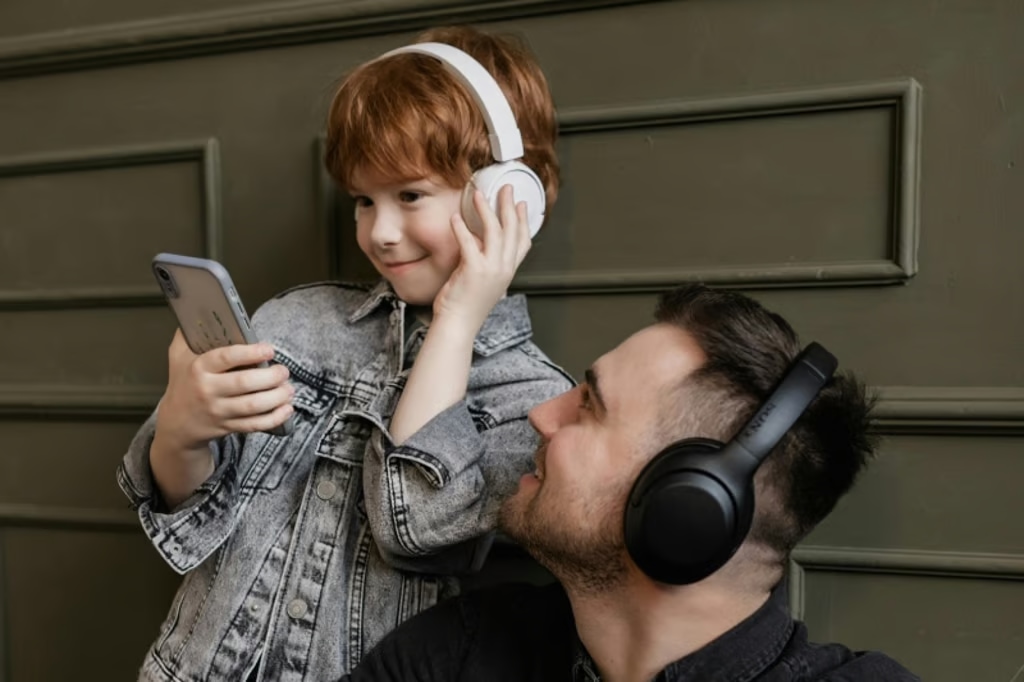
In our digital era, the concept of reading aloud has expanded to include audiobooks and interactive e-books. While these can be valuable tools, especially for busy families, they shouldn’t entirely replace the intimacy of a parent reading to a child. The key is to find a balance, using technology as a supplement to, rather than a replacement for, traditional read-aloud time.
The Ripple Effect: Building a Culture of Literacy
When families prioritise reading aloud, they’re not just benefiting individual children – they’re contributing to a broader culture of literacy. Children who grow up with books are more likely to read to their children one day, creating a generational cycle of literacy and learning.
Moreover, families who value reading often become advocates for literacy in their communities, supporting libraries, schools, and literacy programmes that benefit all children.
A Legacy of Words and Wonder
As we close the cover on our exploration of reading aloud, we’re reminded that this simple act is far more than just a pastime – it’s a powerful legacy we pass on to our children. With each story shared, each page turned, we’re not just reading words; we’re opening doors to new worlds, nurturing growing minds, and weaving the fabric of family bonds ever tighter.
The power of reading aloud lies in its multifaceted impact: it builds essential literacy skills, fosters emotional connections, expands horizons, and lays the groundwork for a lifetime of learning and imagination. It’s a gift that costs little but yields immeasurable returns, resonating through a child’s life long after the last page is turned.
In a world that often moves too fast, reading aloud invites us to slow down, connect, and wonder together. It reminds us that some of the most profound learning happens not through grand gestures, but in quiet moments of shared discovery. As we nurture this practice in our families, we’re not just raising readers – we’re raising thinkers, dreamers, and compassionate individuals equipped to write their own stories in the grand book of life.