Communication is the bridge that connects our inner worlds to the outer ones, allowing us to share our thoughts, feelings, and ideas with others. For children, mastering this art is nothing short of magical. It empowers them to articulate their needs, express their creativity, and forge meaningful connections with those around them.
But how do we help our little ones become masters of this vital skill? How do we guide them from the babbles of babyhood to the eloquent expressions of confident communicators? Let’s embark on this fascinating journey together, exploring the ways we can help our children find their voice and use it effectively.
The Foundation: Creating a Communication-Friendly Environment
Effective communication starts long before a child utters their first word. It begins with the environment we create at home. A communication-friendly home is one where conversation flows freely, where questions are encouraged, and where every family member’s voice is valued.
This doesn’t mean constant chatter—quiet times are important too. Rather, it’s about creating opportunities for meaningful exchanges. Family meals can be a wonderful time for this. Try asking open-ended questions about your child’s day, sharing interesting things about your own, or discussing current events in an age-appropriate way.
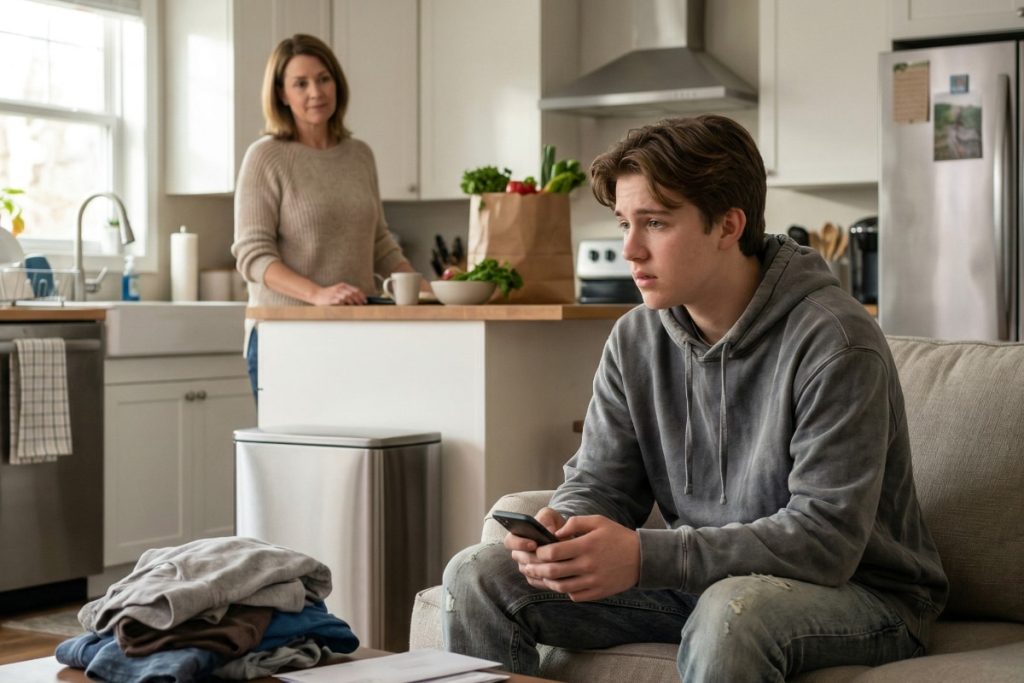
Remember, communication isn’t just about talking—it’s about listening too. When your child speaks, give them your full attention. Put down your phone, turn away from the computer, and show them that what they have to say matters. This not only helps them feel valued but also models good listening skills.
The Power of Storytelling
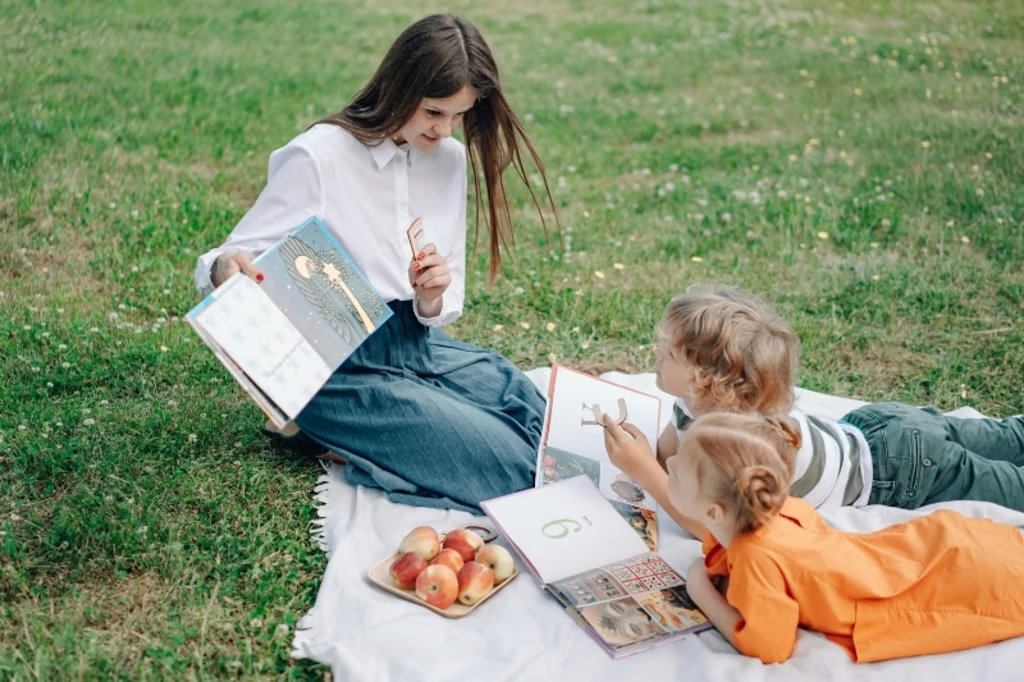
Stories are a fantastic tool for developing communication skills. When you read to your child, you’re not just entertaining them—you’re introducing them to new vocabulary, complex sentence structures, and the rhythm of language.
But don’t stop at reading. Encourage your child to tell their own stories. You might start a story and ask them to continue it, or have them recount an event from their day as if it were a story. This helps them organise their thoughts, use descriptive language, and understand narrative structure.
For younger children, you can use pictures or objects as prompts. “What do you think is happening in this picture?” or “Can you tell me a story about this teddy bear?” These exercises spark imagination and help children practise putting their ideas into words.
Emotions and Words: A Powerful Combination
Effective communication isn’t just about expressing thoughts—it’s about expressing feelings too. Help your child build an emotional vocabulary by naming feelings as they occur. “You seem frustrated with that puzzle. Is that how you’re feeling?” This not only helps them identify emotions but also gives them the words to express those feelings.
Encourage your child to use “I” statements when expressing strong emotions. Instead of “You’re mean!” they might say “I feel hurt when you take my toy without asking.” This approach helps children take ownership of their feelings and express them in a way that’s more likely to lead to positive resolutions.
The Art of Conversation
Conversation is a dance, a give-and-take of ideas and responses. Help your child learn the steps of this dance by practising turn-taking in conversations. You might use a talking stick—only the person holding the stick can speak, while others listen.
Teach them about appropriate topics for different situations and how to read social cues. Role-playing can be a fun way to practise this. You might pretend to be at a birthday party or a doctor’s office, discussing what kinds of things you might talk about in each scenario.
Don’t forget to introduce the idea of small talk. While it might seem trivial, the ability to engage in light, friendly conversation is a valuable social skill. Practise by discussing things like the weather, weekend plans, or favourite foods.
Non-Verbal Communication: The Silent Conversationalist
Words are just one part of communication. Our body language, facial expressions, and tone of voice often say more than our words do. Help your child become aware of these non-verbal cues by playing guessing games. Act out different emotions without speaking and have them guess how you’re feeling.
Discuss how the same words can mean different things depending on how they’re said. “I’m fine” can mean very different things when said with a smile versus a frown. Understanding these nuances helps children become more perceptive communicators.
Technology: A Double-Edged Sword
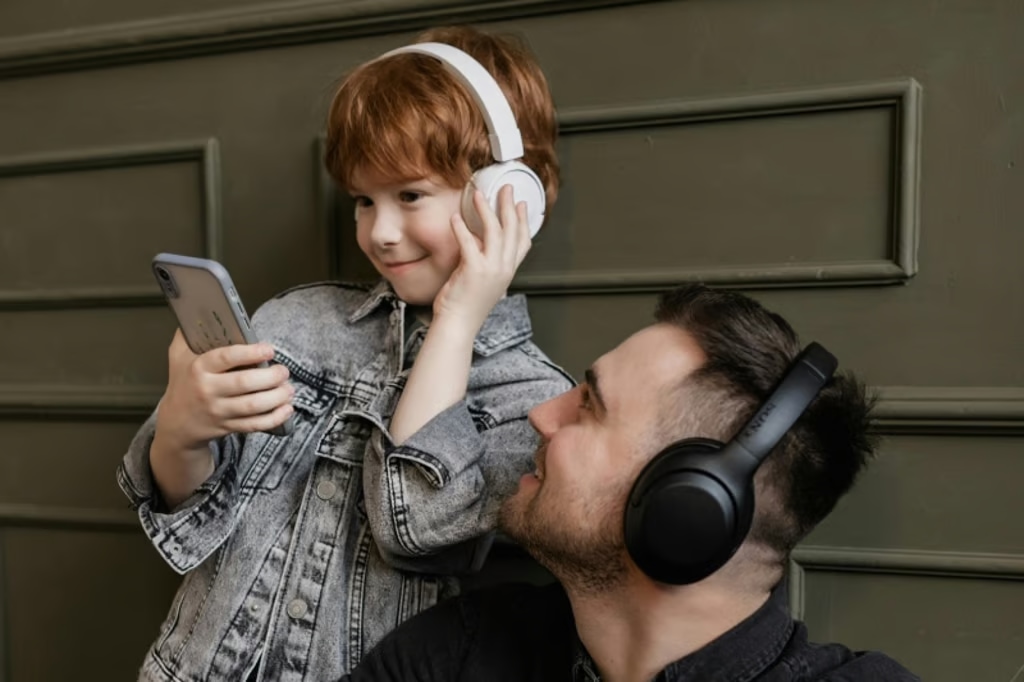
In our digital age, it’s crucial to address communication through technology. While devices can connect us with people around the world, they can also hinder face-to-face communication skills if not used mindfully.
Set guidelines for device use that allow for plenty of in-person interaction. When you do use technology to communicate, discuss the importance of tone in written messages and the potential for misunderstandings when we can’t see facial expressions or hear the tone of voice.
Overcoming Communication Hurdles
Every child will face communication challenges at some point. They might struggle with shyness, stutter, or have trouble finding the right words. The key is to be patient and supportive.
If your child is shy, don’t push them to speak in uncomfortable situations. Instead, help them build confidence in small steps. Practise what they might say in various scenarios, always emphasising that their voice matters.
For children who stutter, focus on the content of what they’re saying rather than how they’re saying it. Give them time to finish their thoughts without interrupting or finishing their sentences for them.
If your child struggles to find words, play word games to build their vocabulary. Describe objects without naming them, or have a “word of the day” that everyone tries to use in conversation.
The Journey of a Lifetime
Remember, developing communication skills is a lifelong journey. Even as adults, we continue to refine our ability to express ourselves and understand others. By nurturing these skills in our children from an early age, we’re giving them a head start on this journey.
Effective communication is more than just a skill—it’s a gift. It’s the gift of being understood, of understanding others, and of being able to share our unique perspective with the world. By helping our children master this art, we’re empowering them to build stronger relationships, succeed in their future careers, and navigate life’s challenges with confidence.
So let’s celebrate every word, every story, every conversation. Let’s create a world where every child feels heard, understood, and capable of expressing their wonderful, unique self. After all, in helping our children find their voice, we’re helping them find themselves.