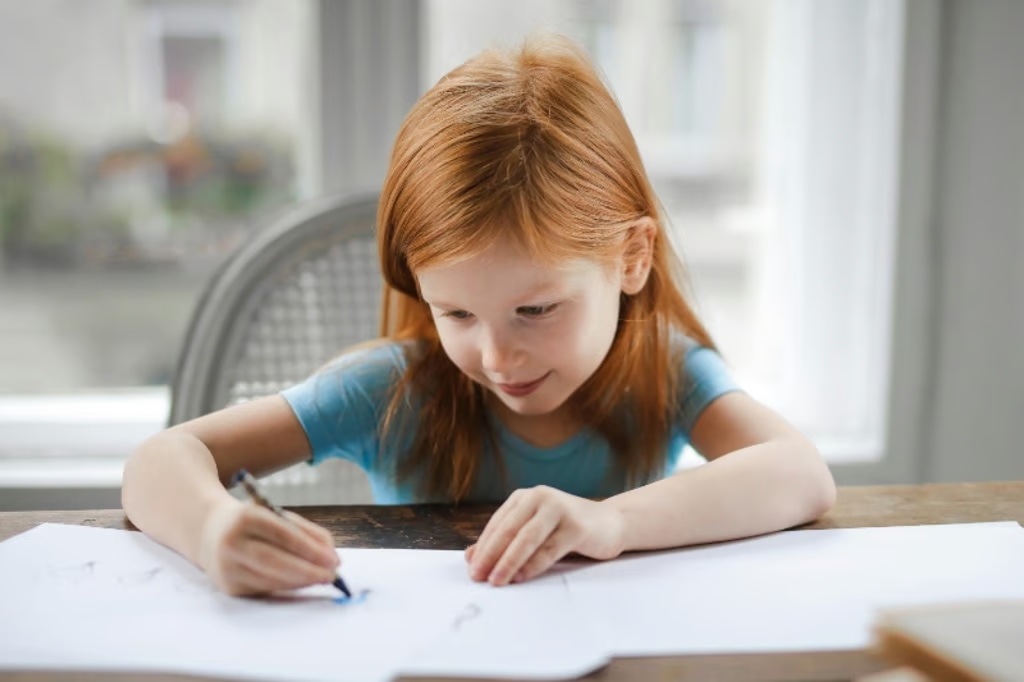
Our fast-paced, achievement-oriented society often leads us to overschedule our children’s lives. We fill their days with structured activities, classes, and educational programs, all with the best intentions of giving them a head start in life. But in doing so, we may inadvertently stifle one of the most powerful forces for creativity and problem-solving—free, unstructured play.
It’s time to rediscover the magic of play, exploring how those seemingly ‘wasted’ hours of daydreaming, building pillow forts, or inventing imaginary worlds are crucial for developing the creative thinkers and problem solvers of tomorrow. By embracing these moments of unstructured exploration, we unlock a world of potential where innovation thrives and creative solutions emerge naturally.
This journey into the realm of free play reveals its vital role in shaping young minds and fostering skills that extend far beyond the playground. As we delve into the benefits of unstructured play, we’ll uncover how it nurtures creativity, enhances problem-solving abilities, and lays the foundation for future success in ways that structured activities alone cannot achieve.
The Lost Art of Free Play
Think back to your childhood. Remember those long summer days when time seemed to stretch endlessly, and your imagination was your only limit? Perhaps you transformed a cardboard box into a spaceship, created entire civilisations in your sandpit, or spent hours perfecting the art of skimming stones across a pond.
These moments of unstructured play weren’t just idle time—they were the training ground for your creativity and problem-solving skills. When children engage in free play, they’re not just having fun; they’re experimenting, taking risks, making decisions, and learning to think outside the box.
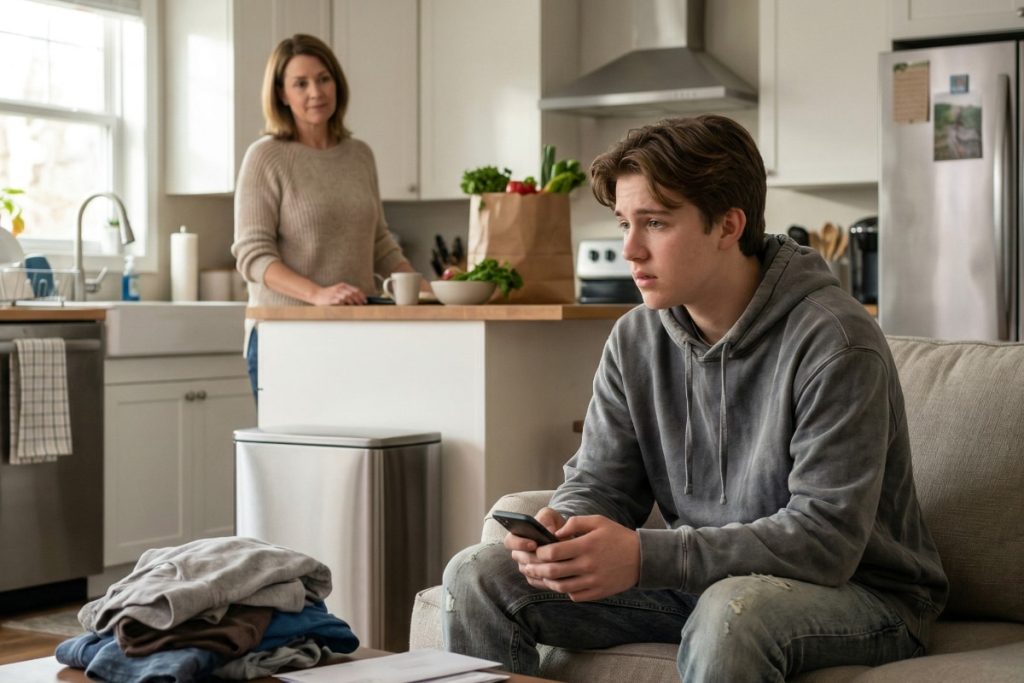
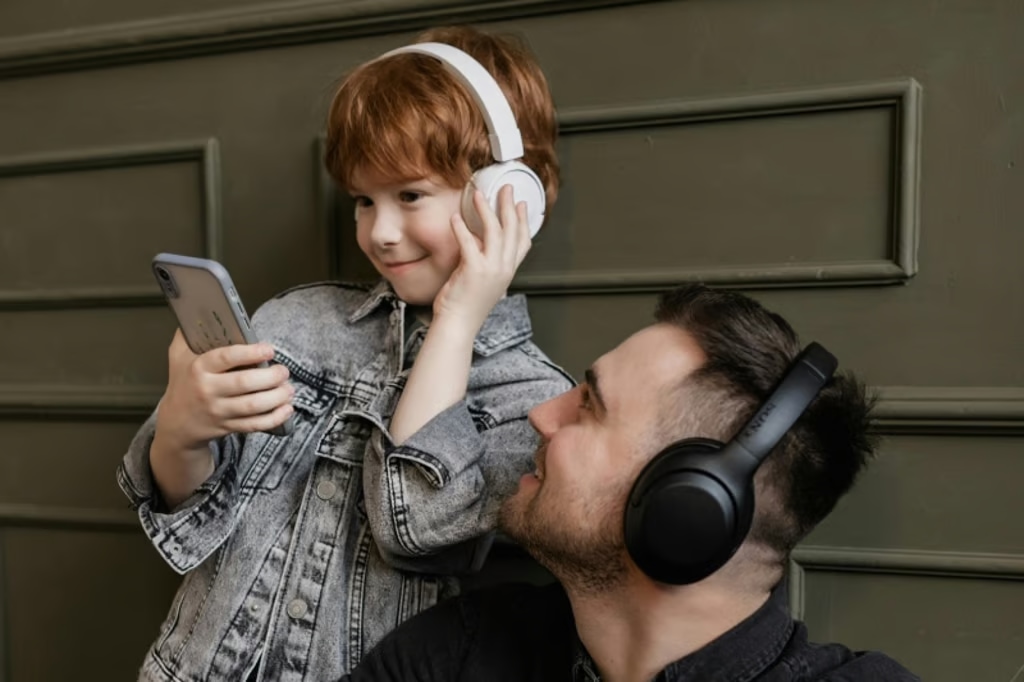
In today’s world, however, these opportunities for free play are becoming increasingly rare. Between school, homework, structured after-school activities, and the ever-present lure of screens, many children have little time left for unstructured play. But the consequences of this play deficit could be more serious than we realise.
The Science of Play
Far from being a frivolous waste of time, play is recognised by scientists and educators as a crucial component of healthy child development. When children play freely, their brains are hard at work, forming new neural connections and developing critical cognitive skills.
During play, children naturally engage in what psychologists call ‘divergent thinking’—the ability to generate creative ideas by exploring many possible solutions. This is the same kind of thinking that leads to groundbreaking innovations and creative problem-solving in adulthood.
Moreover, unstructured play allows children to practice important social and emotional skills. They learn to negotiate with playmates, to see things from different perspectives, and to regulate their emotions. These are all crucial skills for success in both personal and professional life.
Creativity Unleashed
Have you ever watched a child at play and marvelled at their imagination? A stick becomes a magic wand, a blanket transforms into a royal cape, and a pile of Lego bricks turns into a bustling city. This is creativity in its purest form.
Unstructured play provides a safe space for children to think creatively without fear of failure. There are no right or wrong answers in play, no grades, no judgments. This freedom allows children to take creative risks, to try out new ideas, and to push the boundaries of their imagination.
As parents, we can foster this creativity by providing open-ended toys and materials. Simple items like blocks, art supplies, or even household objects can become the tools of limitless creativity in a child’s hands. The key is to step back and allow our children the freedom to explore and create without adult direction or interference.
Problem-Solving Through Play
Every play scenario is a potential problem to solve. How can I build a tower that doesn’t fall over? What’s the best way to divide these cookies among my stuffed animals? How can I create a pulley system to lift my toy bucket into my treehouse?
These might seem like trivial problems, but in solving them, children are developing crucial problem-solving skills. They learn to analyse situations, generate possible solutions, test their ideas, and adjust their approach based on the results. This is the scientific method in action, wrapped up in the joy of play.
Unstructured play also teaches children to be resourceful and adaptable. When they don’t have the exact toy or tool they need, they improvise, finding creative ways to use what’s available. This ability to think flexibly and make the most of available resources is a valuable skill in our rapidly changing world.
The Social Dimension of Play
While solitary play has its benefits, group play adds another dimension to the development of creativity and problem-solving skills. When children play together without adult intervention, they must navigate social situations, resolve conflicts, and collaborate to achieve common goals.
Imagine a group of children deciding to put on a play. They must agree on a story, assign roles, create costumes and props, and work together to bring their vision to life. This process involves negotiation, compromise, creative thinking, and problem-solving—all valuable skills for future teamwork and leadership.
Embracing Boredom
In our efforts to keep our children constantly entertained and engaged, we often forget the value of boredom. Those moments when a child complains “I’m bored!” are golden opportunities for creativity to flourish.
Boredom creates space for the mind to wander, to daydream, and to come up with new ideas. It pushes children to be resourceful, to find ways to entertain themselves, and to tap into their inner creativity. So the next time your child claims to be bored, resist the urge to provide instant entertainment. Instead, view it as the beginning of a potential creative adventure.
The Role of Parents
As parents, our role in unstructured play is primarily to create the conditions for it to happen. This means ensuring that our children have time in their schedules for free play, providing a safe environment for exploration, and offering open-ended materials that spark creativity.
It also means resisting the urge to intervene or direct their play. It can be tempting to step in and show them the ‘right’ way to do things, but often, the greatest learning happens when children are allowed to figure things out for themselves.
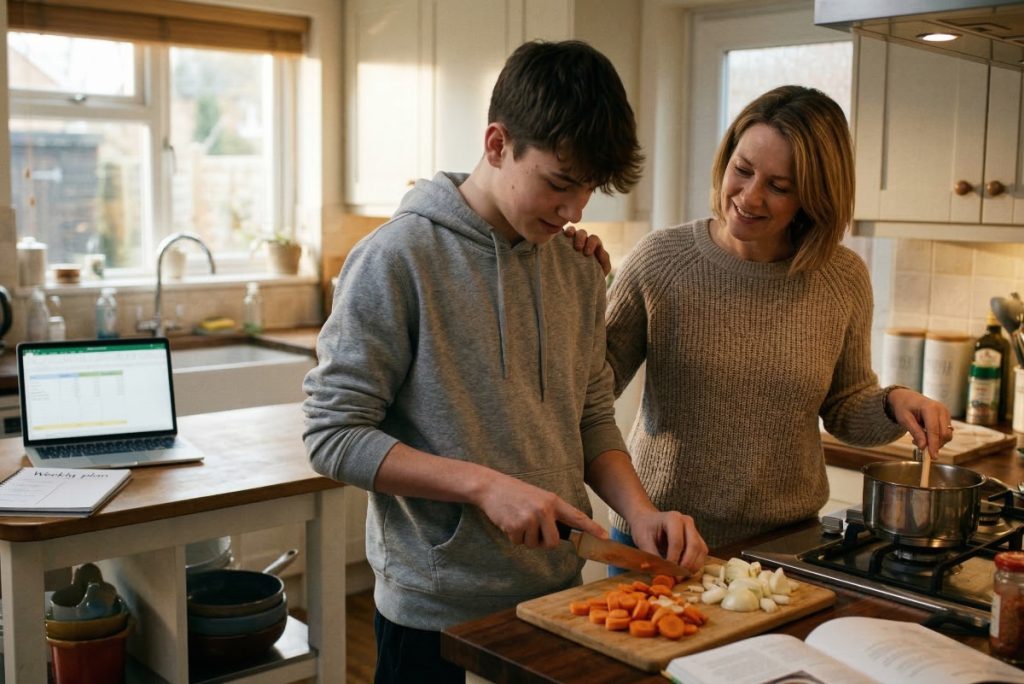
That said, we can engage in play with our children in ways that support their creativity and problem-solving skills. Ask open-ended questions about their play scenarios, express curiosity about their creations, and join in their imaginative worlds on their terms.
A Balance of Structure and Freedom
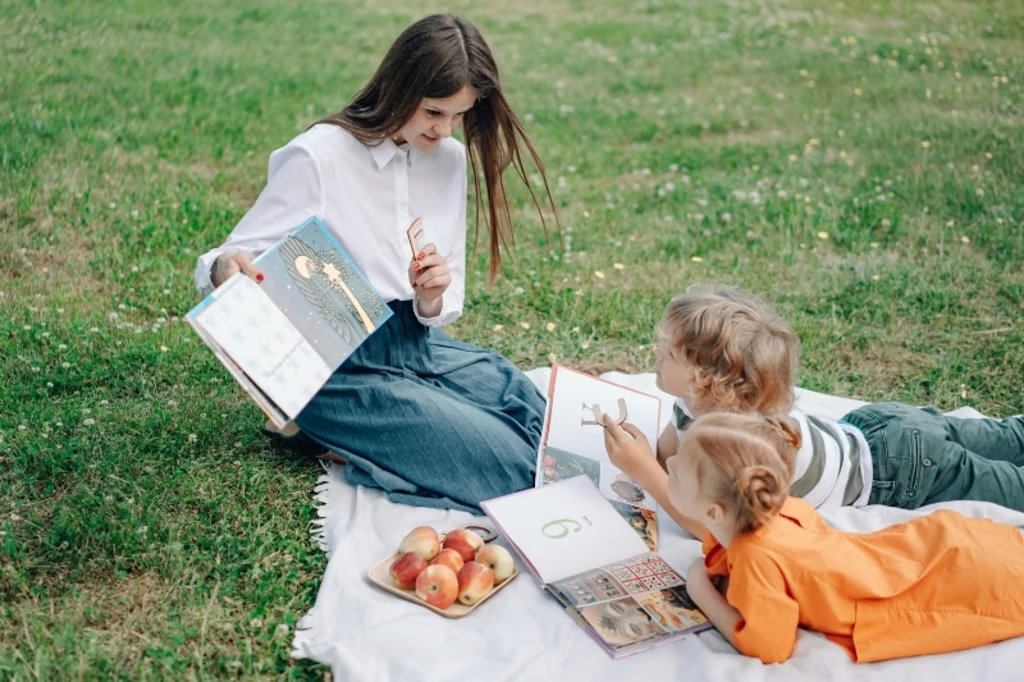
While structured activities like sports and music lessons offer valuable learning experiences, they shouldn’t overshadow the importance of free play. The key lies in striking a balance, ensuring our children’s lives include both organised activities and ample time for unstructured exploration.
Valuing and prioritising unstructured play goes beyond simply allowing our children to have fun—it’s an investment in their future creativity, problem-solving abilities, and overall well-being. This approach nurtures innovators, out-of-the-box thinkers, and creative problem solvers who will shape tomorrow’s world.
By creating space in our children’s lives for daydreaming, experimenting, and crafting worlds limited only by their imagination, we unlock the true power of play. This not only fosters creativity and problem-solving skills but also allows our children to fully experience the joy and wonder of childhood.
Embracing unstructured play opens doors to endless possibilities, encouraging children to explore, take risks, and learn from their experiences in ways that structured activities alone cannot provide. It’s through these moments of free exploration that children develop resilience, adaptability, and the confidence to approach challenges with innovative thinking.