But fear not, intrepid food adventurers! The secret ingredient to fostering a love for nutritious food isn’t found in strict rules or covert vegetable-hiding operations. It’s in transforming meals from a battleground into a playground, where healthy choices become exciting discoveries and nutritious foods are welcomed guests at the table.
Let’s embark on a culinary journey that will turn your young food critics into enthusiastic nutritional explorers, one bite at a time.
The Power of Involvement: Little Chefs, Big Ideas
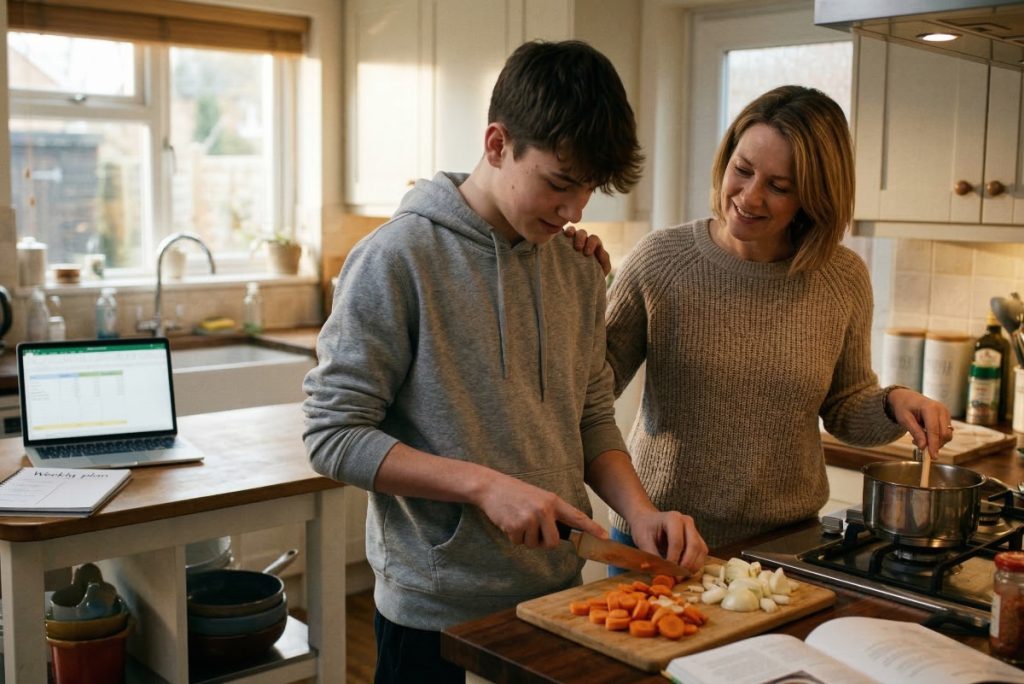
Children are naturally curious, and the kitchen is a wonderland of sights, smells, and tastes waiting to be explored. Involving children in meal planning, shopping, and preparation not only teaches valuable life skills but also increases their investment in the food they eat.
Start by letting your children choose a new fruit or vegetable to try each week at the supermarket. At home, give them age-appropriate tasks in the kitchen. Young children can wash fruits and vegetables or tear lettuce for salads, while older ones might measure ingredients or even chop under supervision.
When children have a hand in creating a meal, they’re more likely to want to taste the fruits (and vegetables) of their labour. Plus, the pride they feel in contributing to family meals is a powerful motivator for trying new foods.
Eat the Rainbow: Turning Nutrition into an Adventure
Nutrition doesn’t have to be about complex calorie counting or vitamin charts. For children, it can be as simple and fun as “eating the rainbow.” Challenge your children to eat a fruit or vegetable from each colour of the rainbow every day.
Create a colourful chart where children can track their progress with stickers or drawings. This not only makes healthy eating fun but also naturally encourages a varied diet rich in different nutrients.
Take it a step further by exploring the “superpowers” of different coloured foods. Red foods like tomatoes and strawberries are good for the heart, orange foods like carrots help our eyes, and green foods give us energy. This approach turns nutrition into an exciting superhero narrative that children can engage with.
The Art of Food: Making Meals a Masterpiece
We eat with our eyes first, and this is particularly true for children. Transform healthy foods into visually appealing creations that are too fun to resist. Turn a plate of fruits and vegetables into a funny face or a landscape scene. Use cookie cutters to create fun shapes out of sandwiches, cheese, or even slices of bell pepper.
Encourage your children to get creative with their food presentations too. Have a family competition to see who can create the most interesting or beautiful plate using healthy ingredients. This not only makes mealtimes more engaging but also allows children to interact with their food positively before eating.
Grow Your Own: From Seed to Table
Few things are more magical to a child than watching a tiny seed grow into something they can eat. Whether you have space for a backyard vegetable patch or just a few pots on a windowsill, growing food is a powerful way to connect children with what they eat.
Let children choose what to grow, whether it’s herbs, cherry tomatoes, or even edible flowers. As they nurture their plants, they’ll develop a sense of ownership and pride that often translates into a willingness to eat what they’ve grown. This process also naturally teaches children about where food comes from and the effort involved in producing it.
The Name Game: Making New Foods Friendly
Sometimes, all it takes to get a child to try a new food is a bit of clever marketing. Give unfamiliar or previously rejected foods fun, appealing names. Broccoli becomes “little trees,” cauliflower turns into “white brain food,” and spinach transforms into “Popeye power leaves.”
For younger children, you might name dishes after their favourite characters or stories. “Elsa’s Ice Power Smoothie” sounds much more appealing than just “fruit and yoghurt drink.”
Dip, Spread, Sprinkle: Making Healthy Foods Interactive
Many children love foods they can interact with. Set up a “dip bar” with a variety of healthy dips like hummus, guacamole, or yoghurt-based dressings, along with a variety of sliced vegetables and whole grain crackers. The act of dipping makes eating vegetables more fun and gives children control over their food experience.
Similarly, let children build their meals when possible. Taco nights, build-your-own salad bars, or create-your-own smoothie stations all allow children to experiment with combining flavours and textures while still ensuring they’re eating a balanced meal.
The Tasting Game: Turning New Foods into an Adventure
Make trying new foods an exciting event rather than a chore. Have regular “tasting parties” where everyone in the family tries a new healthy food together. Discuss the taste, texture, and appearance of the food. What does it remind you of? How would you describe it to someone who’s never tried it?
For more adventurous families, try a blindfolded taste test. This can be especially effective for children who have strong preconceived notions about certain foods. When they can’t see what they’re eating, they often discover they like foods they thought they hated.
Story Time: Weaving Nutrition into Narratives
Stories are a powerful tool for engaging children’s imaginations and can be used to make nutrition more appealing. Create stories about the “adventures” of different nutrients in the body. How does Vitamin C fight off invading germs? What journey does fibre take through the digestive system?
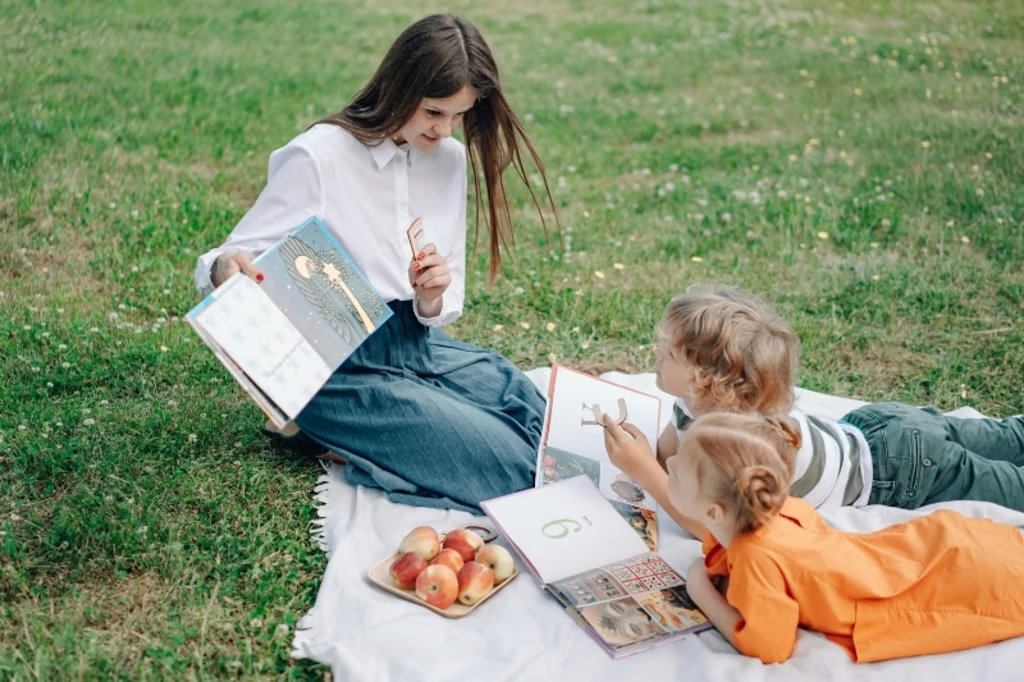
Read books about healthy eating and cooking together. Many children’s books feature fruits and vegetables as characters or explore where food comes from in a fun, engaging way.
Leading by Example: The Most Powerful Ingredient
Perhaps the most crucial element in encouraging healthy eating habits is modelling those habits ourselves. Children are keen observers and imitators of their parents’ behaviours. When they see you enjoying a wide variety of healthy foods, trying new things, and speaking positively about nutritious choices, they’re more likely to follow suit.
Make family meals a priority whenever possible. These shared experiences not only provide an opportunity for connection but also allow children to observe and adopt healthy eating habits in a natural, pressure-free environment.
The Long Game: Patience and Persistence
Developing healthy eating habits is a marathon, not a sprint. It can take multiple exposures before a child accepts a new food, so don’t be discouraged by initial rejections. Keep offering a variety of healthy options without pressure, and celebrate small victories along the way.
Encouraging healthy eating habits in children is about more than ensuring they get the right nutrients (though that’s certainly important). It’s about fostering a positive relationship with food that will serve them well throughout their lives. By making nutrition fun, engaging, and a natural part of daily life, we’re not just filling their plates – we’re nourishing their bodies, minds, and spirits.
In the end, the goal isn’t to raise perfect eaters but to nurture children who approach food with curiosity, joy, and an understanding of how it fuels their amazing bodies. With creativity, patience, and a sprinkle of fun, we can transform mealtimes from a chore into a cherished family adventure, setting the stage for a lifetime of healthy, happy eating.