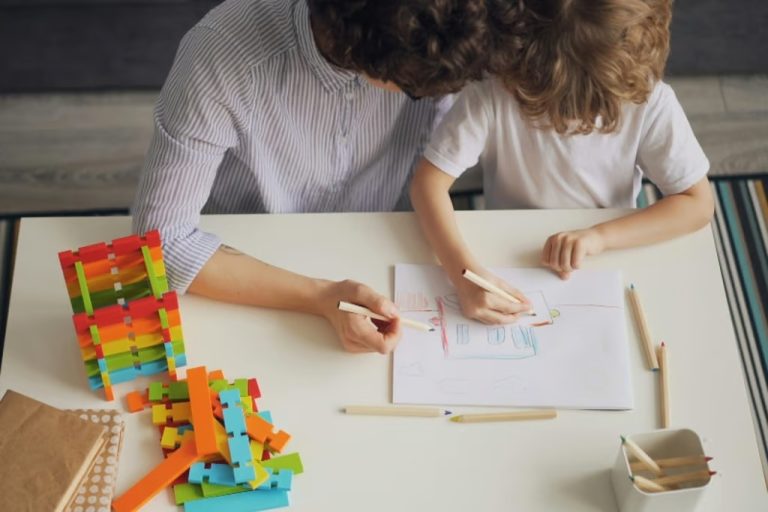
Patience is more than just the ability to wait without complaint. It’s a complex tapestry woven from threads of emotional regulation, impulse control, perseverance, and empathy. In a child’s life, it’s the quiet strength that allows them to persist in the face of challenges, to consider others’ needs alongside their own, and to find peace in the journey rather than fixating solely on the destination.
As parents and educators, our role in cultivating patience is akin to that of a master gardener. We must prepare the soil, plant the seeds, and tend to the growing virtue with care and consistency. Through this nurturing process, we help our children develop a skill that will serve them well in all aspects of life, from academic pursuits to personal relationships and beyond.
Let’s explore the art of cultivating patience in children, discovering how we can help them develop this essential life skill that will stand them in good stead throughout their lives.
The Foundations of Patience: Emotional Regulation
At its core, patience is deeply intertwined with emotional regulation. To wait calmly or persevere through challenges, children must first learn to manage their emotions, particularly frustration and disappointment.
Begin by helping children identify and name their emotions. When a child is impatient, encourage them to articulate their feelings. “I can see you’re feeling frustrated because you want to play now, but we need to finish tidying up first.” This acknowledgement validates their feelings while also providing language to express them.
Teach simple calming techniques like deep breathing, counting to ten, or visualising a peaceful place. These tools give children practical ways to manage the uncomfortable emotions that often accompany waiting or dealing with delays.
The Power of Modelling
Children learn a great deal through observation, and patience is no exception. As adults, we must be mindful of the example we set. When we demonstrate patience in our daily lives – whether it’s waiting in a long queue without complaint or calmly persisting with a challenging task – we provide a powerful model for our children.
Make your thought process explicit. When faced with a situation requiring patience, voice your strategy aloud. “This traffic is moving slowly, but getting upset won’t make it go faster. Let’s use this time to play a word game instead.” This not only models patience but also teaches problem-solving and positive reframing.
Creating Opportunities for Practice
Like any skill, patience improves with practice. While we don’t want to artificially frustrate our children, we can create natural opportunities for them to exercise their patience muscles.
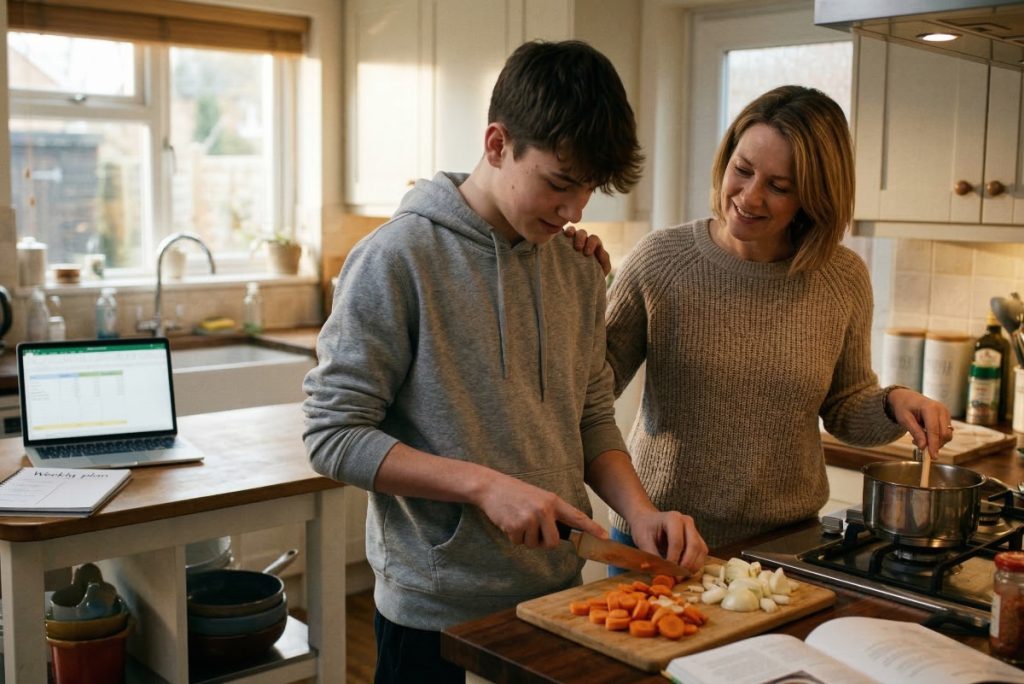
Cooking together, for instance, offers a perfect blend of anticipation and delayed gratification. As you prepare a meal or bake cookies, discuss the steps involved and the need to wait for the final result. This not only teaches patience but also sequencing and cause-and-effect relationships.
Gardening is another excellent activity for cultivating patience. The process of planting seeds, caring for them daily, and waiting for them to sprout and grow provides a tangible lesson in the rewards of patient persistence.
The Role of Routines and Predictability
Established routines can be a powerful tool in developing patience. When children know what to expect and in what order, it’s easier for them to wait for desired activities or objects. A visual schedule can be particularly helpful, allowing children to see the sequence of their day and understand when favoured activities will occur.
Within these routines, incorporate small waiting periods. For example, implement a rule that after asking for a snack, one must wait for two minutes before receiving it. Gradually increase these waiting periods as the child’s patience grows.
Reframing Waiting as a Positive Experience
Often, children (and adults) view waiting as a negative experience – the empty time to be endured. Help reframe this perspective by teaching children to use waiting time productively or enjoyably.
Introduce the concept of “brain games” or “imagination adventures” for waiting times. This might involve telling stories, playing word games, or engaging in quiet observation of their surroundings. By filling waiting time with engaging activities, children learn that patience doesn’t have to be boring.
Celebrating Small Victories
Recognise and celebrate instances when children demonstrate patience. This positive reinforcement encourages them to repeat the behaviour. Be specific in your praise: “I noticed how patiently you waited for your turn on the swing. That was very considerate of others.”
Consider implementing a “patience jar,” where children can add a pebble or marble each time they demonstrate notable patience. When the jar is full, celebrate with a special activity, reinforcing the idea that patience leads to positive outcomes.
Teaching the Value of Delayed Gratification
Help children understand that sometimes, waiting leads to better outcomes. The famous marshmallow experiment demonstrated the long-term benefits of being able to delay gratification. You can create simple, age-appropriate versions of this experiment at home, always ensuring that the delayed reward is truly more valuable to the child.
Introduce the concept of saving money as children get older. This practical application of patience helps them understand that forgoing immediate small pleasures can lead to larger rewards in the future.
Nurturing Empathy and Perspective-Taking
Patience often involves considering the needs and feelings of others. Nurture empathy by encouraging children to consider different perspectives. “I know you’re eager to play, but your sister is still finishing her homework. How do you think she feels, and how can we support her?”
This approach not only cultivates patience but also develops emotional intelligence and strengthens sibling relationships.
Technology and Patience: Finding Balance
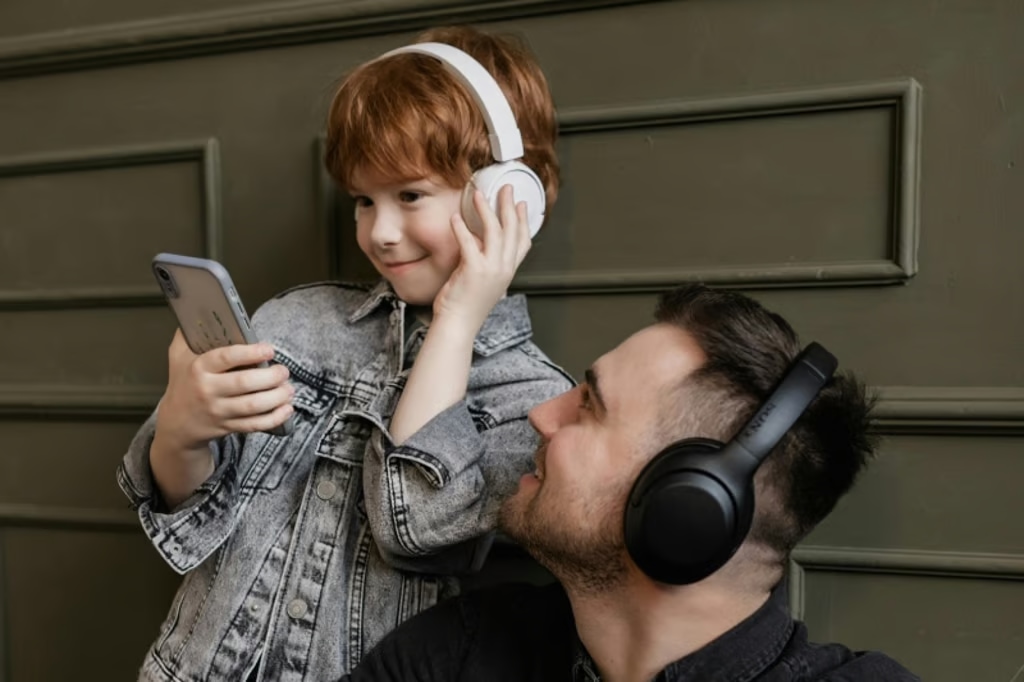
In our digital age, technology can be both a hindrance and a help in developing patience. While instant access to information and entertainment can undermine patience, technology can also be used to support its development.
Use apps and games designed to promote delayed gratification and strategic thinking. However, balance this with plenty of real-world experiences that require patience, ensuring children develop this skill in various contexts.
Patience in the Face of Failure
Teaching children to be patient with themselves when learning new skills or facing challenges is crucial. Encourage a growth mindset, where effort and improvement are valued over immediate success. This fosters resilience and the patience to persist in the face of difficulties.
Share stories of famous individuals who achieved success through patient persistence, illustrating that great accomplishments often require time and sustained effort.
A Lifelong Virtue
As we nurture patience in our children, we’re equipping them with a virtue that will serve them well throughout their lives. Patience enhances relationships, supports academic and professional success, and contributes to overall well-being and life satisfaction.
The journey of cultivating patience is, fittingly, one that requires patience itself. There will be moments of frustration, steps backwards, and times when it seems this vital skill is out of reach. Yet, with consistent effort, modelling, and positive reinforcement, we can help our children develop this essential life skill.
In doing so, we’re not just teaching them to wait calmly or persist through challenges. We’re helping them develop emotional intelligence, empathy, and resilience. We’re preparing them to navigate a complex world with grace and equanimity, to find joy in the journey as well as the destination.
As our children grow in patience, they become better equipped to handle life’s inevitable ups and downs, nurture meaningful relationships, and achieve long-term goals. They learn to savour life’s moments, to listen deeply to others, and to approach challenges with a calm and steady resolve.
In cultivating patience, we’re planting seeds that will bloom throughout our children’s lives, yielding fruits of success, contentment, and rich, rewarding relationships. It’s a gift that will continue to give, shaping not just individual lives but contributing to a more patient, understanding, and empathetic society.