Raising global citizens in today’s diverse world is about more than just teaching tolerance or celebrating differences. It’s about cultivating a deep-seated appreciation for the myriad ways humans express their humanity and nurturing the skills needed to bridge cultural divides. It’s about preparing our children not just to exist in a globalised world, but to thrive in it, contributing to a more harmonious and inclusive global community.
Let’s embark on a journey to explore how we can nurture cultural awareness and global citizenship in our children, equipping them with the tools to become ambassadors of understanding in our beautifully diverse world.
The Foundation: Cultivating Curiosity and Openness
At the heart of cultural awareness lies curiosity – a genuine interest in understanding different ways of life, beliefs, and perspectives. Encourage children to ask questions about the world around them, and model an attitude of openness and respect towards different cultures.
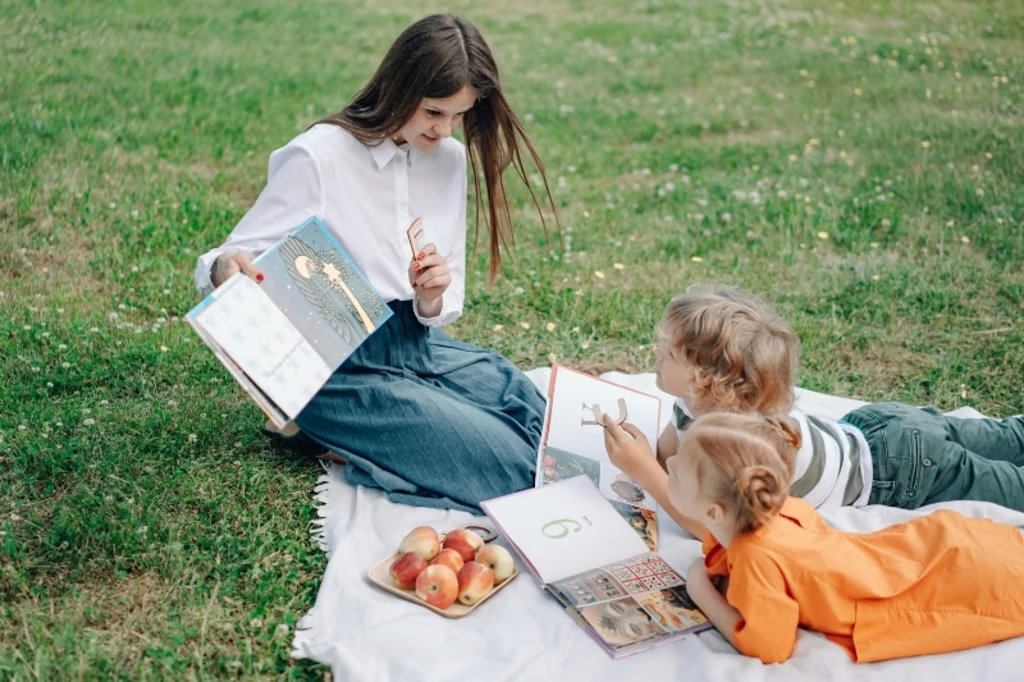
Create an environment where diversity is not just accepted but celebrated. Introduce children to books, music, art, and food from various cultures. Encourage them to see these differences not as strange or foreign, but as fascinating variations in the human experience.
Beyond Stereotypes: Embracing Complexity
While introducing children to different cultures, it’s crucial to move beyond superficial representations or stereotypes. Help children understand that cultures are complex, diverse within themselves, and constantly evolving.
Explore the nuances within cultures, discussing how geography, history, and individual experiences shape cultural identities. Encourage critical thinking about cultural representations in media, helping children distinguish between authentic portrayals and oversimplified stereotypes.
The Power of Language
Language is a gateway to culture, offering unique insights into ways of thinking and perceiving the world. Encourage children to learn new languages, even if it’s just a few words or phrases. Discuss how language shapes thought and how concepts in one language might not have direct equivalents in another.
For multilingual families, maintain and celebrate heritage languages alongside the dominant language. This not only preserves cultural connections but also enhances cognitive flexibility and global understanding.
Global Issues, Local Actions
Help children understand their place in the global community by discussing worldwide issues and how they relate to local experiences. Explore topics like environmental conservation, human rights, or poverty, always with an eye towards cultural contexts and diverse perspectives.
Encourage children to take action on global issues in their local community. This could involve participating in cultural exchange programmes, volunteering with organisations that support refugees or immigrants, or engaging in environmental initiatives with a global focus.
The Art of Perspective-Taking
Cultural awareness is fundamentally about the ability to see the world from different perspectives. Engage children in exercises that encourage them to step into others’ shoes. This could involve role-playing scenarios from different cultural contexts, analysing news events from multiple cultural perspectives, or imagining how their actions might be perceived by people from different backgrounds.
Celebrating Diversity at Home
Even in seemingly homogeneous communities, diversity exists. Help children recognise and appreciate the diversity within their own families and local communities. Discuss how factors like age, gender, ability, and individual experiences contribute to diverse perspectives even within a single culture.
Create family traditions that celebrate global cultures. This could involve dedicating meals to exploring cuisines from around the world, celebrating international holidays, or having a ‘culture night’ where family members present on different countries or cultures.
Digital Cultural Exchange
In our interconnected world, technology offers unprecedented opportunities for cultural exchange. Facilitate safe, supervised online interactions with peers from different countries through reputable international pen pal programmes or educational exchange platforms.
Use virtual tours and online resources to explore museums, landmarks, and cultural sites around the world. Discuss how these virtual experiences compare to in-person cultural encounters, emphasising the value of both.
The Importance of Cultural Humility
As children develop cultural awareness, instil in them a sense of cultural humility – the understanding that no matter how much we learn, there will always be more to discover about other cultures and our own biases.
Encourage children to approach cross-cultural interactions with respect, openness, and a willingness to learn. Teach them that it’s okay to make mistakes or feel uncomfortable in new cultural situations, as long as they remain committed to learning and growing from these experiences.
Navigating Cultural Differences with Empathy
Inevitably, children will encounter cultural practices or beliefs that differ significantly from their own. Guide them in navigating these differences with empathy and respect. Encourage them to seek understanding before judgment, to ask questions respectfully, and to recognise the validity of diverse worldviews.
Discuss how cultural differences can sometimes lead to misunderstandings or conflicts. Explore historical and contemporary examples, emphasising the importance of dialogue, empathy, and finding common ground.
The Role of Media and Literature
Carefully curate media and literature that expose children to diverse cultures and perspectives. Look for authentic representations created by members of the cultures being portrayed. Discuss how different cultures are represented in books, movies, and TV shows, encouraging critical thinking about these portrayals.
Learning Through Travel and Local Exploration
When possible, provide opportunities for children to experience different cultures first-hand through travel. Even if international travel isn’t feasible, explore the cultural diversity in your local area. Visit cultural festivals, museums, or neighbourhoods that offer a window into different cultural experiences.
Embracing Cultural Fusion
In our globalised world, cultures increasingly influence and blend. Help children recognise and appreciate cultural fusion in areas like music, cuisine, art, and fashion. Discuss how cultural exchange has shaped human history and continues to create new, hybrid forms of cultural expression.
The Ongoing Journey of Cultural Awareness
Foster in children the understanding that cultural awareness is a lifelong journey, not a destination. Encourage them to continually seek out new cultural experiences and perspectives, challenge their assumptions, and remain open to the ever-evolving nature of cultural identity in our interconnected world.
Nurturing Global Citizens for a Harmonious Future
As we guide our children towards greater cultural awareness and global citizenship, we’re not just preparing them for success in a diverse world. We’re nurturing the architects of a more harmonious, empathetic global future.
In a world where misunderstandings between cultures can lead to conflict, raising children who can navigate cultural differences with respect and understanding is more crucial than ever. These young global citizens will be equipped to build bridges across cultural divides, find common ground amidst diversity, and appreciate the rich tapestry of human experience in all its varied hues.
By fostering cultural awareness, we’re giving our children more than just knowledge about different cultures. We’re cultivating empathy, critical thinking, and adaptability. We’re preparing them to be confident in their own cultural identities while being respectful and appreciative of others. We’re empowering them to see beyond borders and stereotypes to the shared humanity that unites us all.
In this increasingly interconnected world, the global citizens we nurture today will be the leaders, innovators, and peacemakers of tomorrow. They will be the ones capable of addressing global challenges with nuanced understanding and collaborative spirit. They will be the weavers of a new global narrative – one of unity in diversity, of shared purpose amidst varied perspectives.
As parents, educators, and community members, our role in fostering this cultural awareness is both a profound responsibility and an exciting opportunity. Every conversation about diversity, every cross-cultural experience we facilitate, and every moment of curiosity we encourage is a step towards a more understanding, inclusive world.
In nurturing global citizens, we’re not just shaping individual futures – we’re cultivating hope for a world where diversity is celebrated, where cultural differences are bridges rather than barriers, and where the rich tapestry of human culture continues to evolve in harmony. This is the gift we give our children, and through them, to the world.