The dance between siblings is an age-old choreography of love, rivalry, companionship, and competition. It’s a dance that can sometimes seem discordant, with steps of conflict and jealousy. But with the right guidance, it can evolve into a harmonious ballet of mutual support, understanding, and lifelong friendship.
As parents and caregivers, our role is akin to that of a skilled choreographer, subtly guiding the performance without overshadowing the dancers. Our challenge lies in fostering an environment where cooperation flourishes and rivalry, while not eliminated, is channelled into positive growth for all siblings.
Let’s explore the nuanced art of nurturing these precious bonds, transforming potential battlegrounds into fertile soil for growing strong, supportive sibling relationships.
The Roots of Rivalry
To nurture positive sibling relationships, it’s crucial to understand the roots of rivalry. Sibling rivalry often stems from a perceived competition for parental attention, resources, or status within the family. It can be exacerbated by factors such as age differences, personality clashes, or changing family dynamics.
Recognise that some degree of rivalry is normal and can even be beneficial, teaching important life skills like negotiation and assertiveness. The goal isn’t to eliminate rivalry but to ensure it doesn’t overshadow the positive aspects of the sibling relationship.
Cultivating Individual Identities
One key to reducing harmful rivalry is to help each child develop a strong sense of individual identity. Celebrate each child’s unique qualities, interests, and achievements without comparison to their siblings. This approach helps each child feel valued for who they are, reducing the need to compete for parental approval.
Create opportunities for each child to shine in their way. This might mean supporting different extracurricular activities or simply acknowledging and appreciating their contributions to family life.
The Power of Positive Attention
Often, rivalry intensifies when children feel they must compete for parental attention. Make a conscious effort to give each child regular, individual attention. This doesn’t necessarily mean equal time, but rather quality time that’s tailored to each child’s needs and interests.
Implement special “one-on-one” times with each child, even if it’s just for short periods. These moments of undivided attention can go a long way in making each child feel valued and secure in their place within the family.
Fostering Cooperation Through Shared Goals
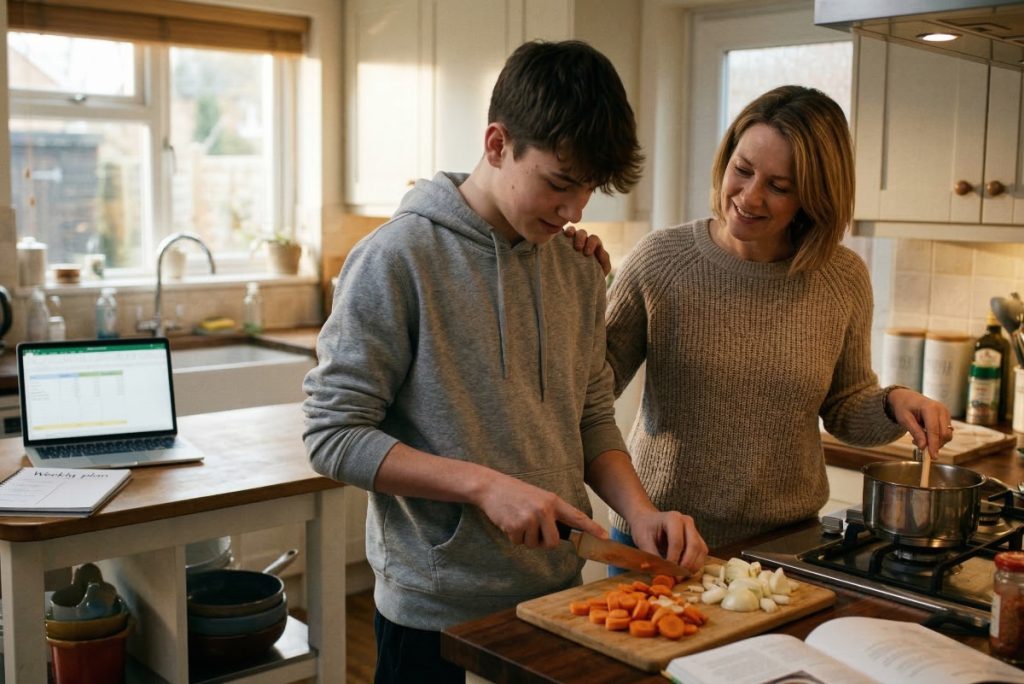
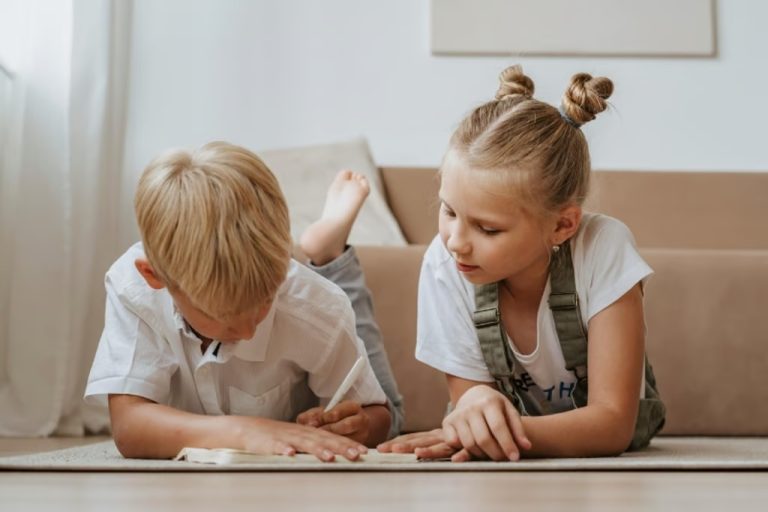
Create opportunities for siblings to work together towards common goals. This could be through shared chores, family projects, or even games that require teamwork. When siblings cooperate to achieve something, it builds a sense of camaraderie and shared accomplishment.
For instance, you might challenge siblings to work together to clean the playroom in record time, or to create a joint art project for grandparents. These shared experiences help build positive associations and memories between siblings.
Teaching Conflict Resolution Skills
Conflicts between siblings are inevitable, but they can be valuable learning opportunities. Teach children skills for resolving conflicts on their own, such as using “I” statements, listening to each other’s perspectives, and brainstorming solutions together.
When intervention is necessary, try to act as a mediator rather than a judge. Help children identify the problem, express their feelings, and work together to find a solution. This approach empowers siblings to manage their relationships and conflicts.
The Art of Fair Play
Fairness is a concept that looms large in sibling dynamics. While it’s important to strive for fairness, it’s equally crucial to help children understand that fairness doesn’t always mean equality. Each child’s needs and circumstances may be different, and treating them fairly means responding to those individual needs.
Be transparent about your decisions and the reasoning behind them. This openness can help prevent feelings of favouritism and foster understanding between siblings.
Celebrating Sibling Bonds
Create family traditions that celebrate and strengthen sibling relationships. This could be an annual “Sibling Day” where brothers and sisters exchange small gifts or compliments, or regular family game nights where siblings team up.
Encourage siblings to support each other’s achievements and milestones. When one child has a special event or accomplishment, involve the other siblings in the celebration, fostering a culture of mutual support and shared joy.
The Power of Positive Reinforcement
Catch your children being kind to each other and offer specific praise. Instead of a generic “good job,” try something like, “I noticed how you helped your sister tie her shoes. That was very thoughtful of you.” This specific feedback reinforces positive behaviours and encourages more of the same.
Modelling Healthy Relationships
Children learn a great deal about relationships by observing the adults in their lives. Model the kind of relationship you hope your children will have with each other. This includes how you interact with your siblings and your partner, and how you speak about others in the family.
Demonstrate respectful communication, conflict resolution, and expressions of love and support in your relationships. These lived examples are powerful teachers for your children.
Respecting Individuality Within the Sibling Unit
While fostering a strong sibling bond is important, it’s equally crucial to respect each child’s need for individual space and privacy. Teach siblings to respect each other’s boundaries, possessions, and personal space.
Encourage siblings to support each other’s individuality. For instance, an older sibling might be tasked with helping a younger one explore a new interest, fostering both mentorship and respect for individual pursuits.
Navigating Age Differences
In families with significant age gaps between siblings, tailor your approach to account for different developmental stages. Older siblings can be encouraged to take on mentoring roles, while younger ones can be taught to respect the older siblings’ need for independence.
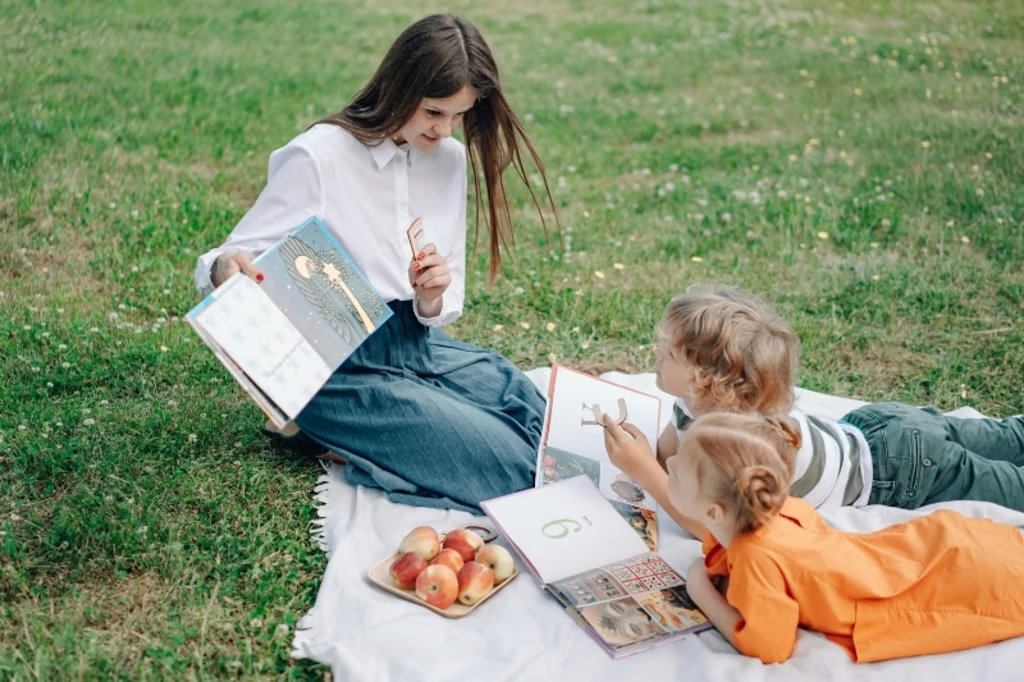
Create opportunities for positive interactions that bridge the age gap, such as having the older sibling read to the younger one or teach them a new skill.
The Long View: Nurturing Lifelong Bonds
As we guide our children through the ups and downs of sibling relationships, it’s important to keep the long view in mind. The squabbles over toys or parental attention today are laying the groundwork for adult relationships that can provide support, friendship, and a shared history for decades to come.
Remind children of the special nature of their sibling bond. Share stories of your own positive sibling experiences or those of other family members. Help them understand that while friends may come and go, siblings have the potential to be lifelong allies and confidants.
Encourage siblings to imagine their future relationships. How might they support each other as adults? What shared memories will they cherish? This forward-thinking approach can help put current conflicts into perspective and foster a sense of long-term investment in the relationship.
A Symphony of Siblinghood
Nurturing strong, positive sibling relationships is a delicate balancing act, requiring patience, consistency, and a good deal of creativity. It’s about creating an environment where cooperation is valued over competition, where differences are celebrated rather than sources of conflict, and where the unique bond of siblinghood is honoured and strengthened.
As we guide our children through this intricate dance of siblinghood, we’re not just solving today’s squabbles or preventing tomorrow’s arguments. We’re laying the foundation for relationships that have the potential to be among the most enduring and meaningful in our children’s lives.
By fostering cooperation, teaching conflict resolution, celebrating individual identities within the family unit, and modelling healthy relationships, we’re giving our children the tools to transform their sibling bonds into a beautiful symphony of mutual support, shared laughter, and enduring love.
In nurturing these precious relationships, we’re not just shaping childhoods; we’re influencing the family dynamics of future generations. We’re creating a legacy of siblinghood where rivalry is overshadowed by respect, competition gives way to cooperation, and the threads of sibling relationships are woven strong enough to last a lifetime.