However, not all praise is created equal. The art of effective positive reinforcement lies in understanding its nuances and applying it judiciously. When wielded with skill and genuine intent, praise and encouragement become transformative tools, shaping behaviour and fostering intrinsic motivation.
The Science of Positive Reinforcement
At its core, positive reinforcement is rooted in behavioural psychology. When a behaviour is followed by a positive outcome or reward, that behaviour is more likely to be repeated. In parenting, this translates to acknowledging and appreciating desirable actions and attitudes, thereby increasing their frequency.
But positive reinforcement goes beyond mere behaviour modification. It plays a crucial role in cognitive development, emotional well-being, and the formation of a positive self-concept. When children receive genuine praise, their brains release dopamine, a neurotransmitter associated with pleasure and motivation. This neurochemical response not only feels good but also strengthens neural pathways associated with the praised behaviour, making it more likely to recur.
The Anatomy of Effective Praise
Effective praise is specific, genuine, and focused on effort rather than innate qualities. Instead of a generic “Good job!”, try highlighting the specific action or quality you’re commending: “I noticed how hard you worked on that maths problem. Your persistence paid off!”
This specificity serves multiple purposes. It shows the child that you’re genuinely paying attention, it clarifies exactly what behaviour is being praised, and it reinforces the connection between effort and outcome.
Moreover, praise should focus on process and effort rather than fixed traits or outcomes. Saying “You’re so smart!” might seem encouraging, but it can inadvertently create pressure to maintain that “smart” image, leading to a fear of failure. Instead, praising effort and strategy – “I’m impressed by how you tried different approaches to solve that puzzle” – encourages a growth mindset and resilience in the face of challenges.
The Power of Descriptive Praise
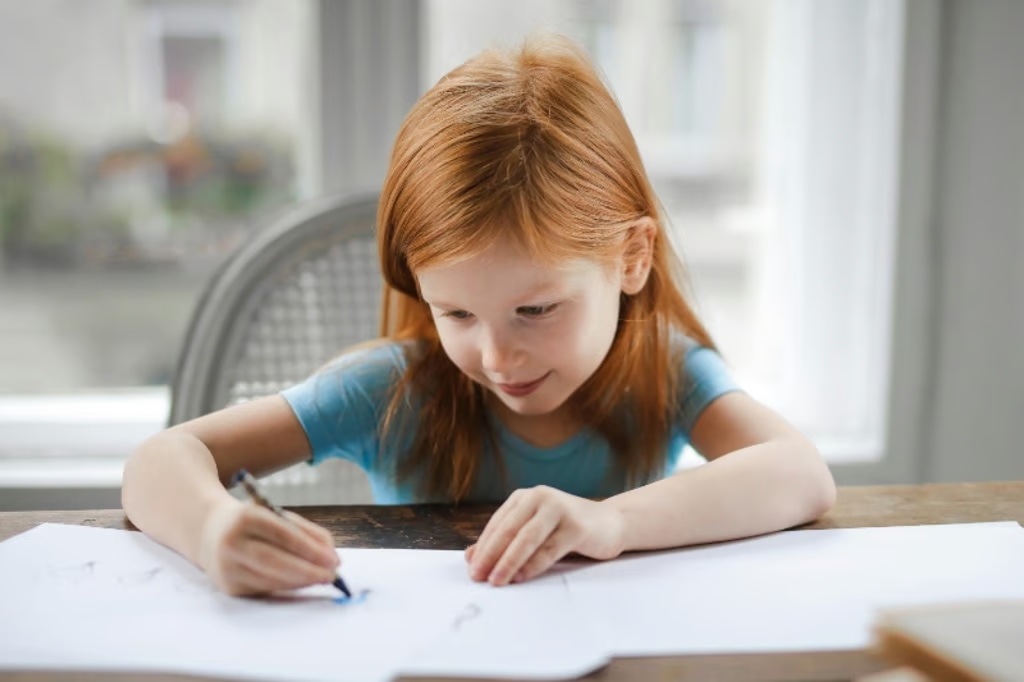
Descriptive praise goes a step further by simply stating what you observe, allowing the child to draw their conclusions. For instance, instead of saying “That’s a beautiful drawing”, you might say, “I see you’ve used lots of bright colours in your drawing. The way you’ve blended the blue and green in the sky is interesting.”
This approach not only validates the child’s efforts but also encourages self-evaluation and intrinsic motivation. It helps children develop their standards and take pride in their accomplishments, rather than relying solely on external validation.
Encouragement: The Cousin of Praise
While praise focuses on achievements and specific behaviours, encouragement is about supporting the child’s efforts and bolstering their confidence, regardless of the outcome. Encouragement acknowledges the child’s feelings, efforts, and improvements, fostering a sense of capability and resilience.
For instance, if a child is struggling with a task, instead of jumping in to help or praising a half-hearted attempt, you might say, “This seems challenging, but I’ve seen you tackle tough problems before. What strategies could you try?” This approach shows faith in the child’s abilities while also teaching problem-solving skills.
The Pitfalls of Over-Praise
While positive reinforcement is powerful, it’s possible to have too much of a good thing. Excessive or insincere praise can be counterproductive, potentially leading to praise dependency or a fixed mindset where children only feel worthy when receiving compliments.
Furthermore, if praise is given too freely or for mundane tasks, it can lose its impact. Children are perceptive and can distinguish between genuine appreciation and empty platitudes. Reserve your most effusive praise for true accomplishments and efforts, maintaining its value and impact.
Tailoring Praise to the Child
Every child is unique, and what works as positive reinforcement for one might not resonate with another. Some children thrive on public recognition, while others prefer private acknowledgement. Some respond well to verbal praise, while others might appreciate a pat on the back or a special privilege.
Observing and understanding your child’s preferences can help you tailor your approach to positive reinforcement, making it more effective and meaningful.
Praise in the Face of Failure
One of the most powerful applications of praise is in the face of failure or disappointment. When a child has tried hard but fallen short of their goal, acknowledging their effort and encouraging persistence can turn a potential setback into a valuable learning experience.
“I know you’re disappointed that you didn’t win the race, but I saw how hard you trained and how you gave it your all on the day. That kind of dedication will serve you well in the future.”
This approach teaches resilience and the value of effort, regardless of the outcome.
The Ripple Effect of Positive Reinforcement
The benefits of positive reinforcement extend beyond the immediate behaviour being praised. Children who receive regular, genuine praise and encouragement tend to have higher self-esteem, better social skills, and more positive relationships with others. They’re more likely to persevere in the face of challenges and to approach new experiences with confidence.
Moreover, as children experience the power of positive reinforcement, they’re more likely to use it themselves, creating a ripple effect of positivity in their interactions with siblings, peers, and eventually, their children.
The Echoes of Encouragement
Mastering the art of positive reinforcement is one of the most valuable skills we can develop as parents. By using praise and encouragement effectively, we’re not just shaping behaviour at the moment; we’re helping our children build a positive self-image, develop intrinsic motivation, and cultivate resilience.
As we navigate the complex terrain of parenting, let’s wield our words with care and intention, understanding their power to shape our children’s perception of themselves and the world. In doing so, we’re giving our children a lifelong gift – the internal resources to face life’s challenges with confidence, perseverance, and a belief in their capabilities. This is the true power of positive reinforcement, echoing far beyond childhood into a future bright with possibility.