The ABCs of Practical Life Skills
Practical life skills are the everyday abilities that help us navigate life efficiently and independently. They’re the skills that transform book knowledge into real-world capability. Think of them as the tools in your child’s life toolkit – the more tools they have, the better equipped they’ll be to handle whatever life throws their way.
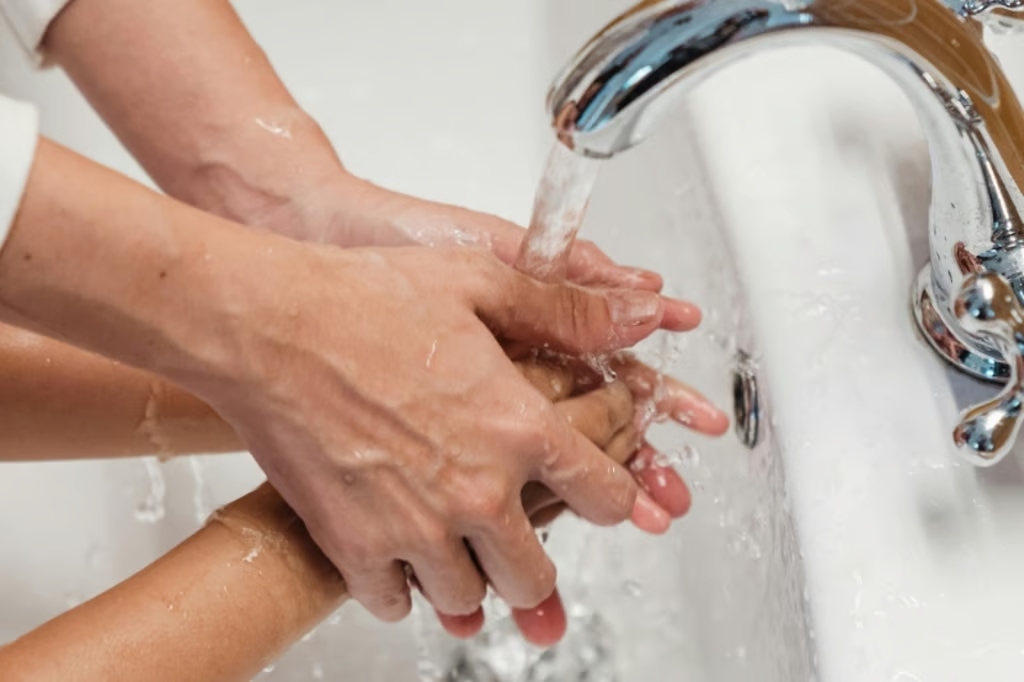
These skills cover a wide range of areas. They include self-care and personal management, like maintaining personal hygiene and managing time effectively. They encompass household management skills such as basic cooking, cleaning, and even simple home repairs. Financial literacy falls under this umbrella too – understanding the value of money, budgeting, and the basics of saving and investing.
But it’s not all about tangible skills. Practical life skills also include softer, but equally important abilities like effective communication, problem-solving, and emotional intelligence. These are the skills that help your child navigate social situations, resolve conflicts, and healthily manage their emotions.
The School-Life Skills Gap
Now, you might be wondering, “Isn’t this what school is for?” Well, yes and no. Traditional school education and practical life skills education, while both crucial, serve different purposes and operate in different ways.
School education primarily focuses on academic subjects. It’s about learning theories, memorizing facts, and understanding abstract concepts. It’s assessed through tests and exams, and mostly takes place in a classroom setting. This type of education is invaluable – it provides the foundational knowledge needed for further academic pursuits and specific career paths.
Practical life skills, on the other hand, are all about application. They’re learned through hands-on experiences in real-world settings. The assessment isn’t a letter grade on a report card, but rather how well a child can perform in everyday situations. While school prepares a child for academic success, practical life skills prepare them for life success.
Think of it this way: school education might teach your child about the chemical composition of food, while practical life skills education teaches them how to prepare a nutritious meal. Both are important, but they serve different purposes in your child’s development.
Why These Skills Matter
You might be thinking, “Okay, I see the difference, but why are these practical skills so essential?” The answer lies in the long-term impact these skills have on a child’s life.
Practical life skills promote independence. They equip children with the ability to take care of themselves and make informed decisions. Imagine the confidence boost your child gets when they successfully manage their schedule or cook their first meal. These achievements build self-esteem and self-reliance, qualities that will serve them well throughout their lives.
Moreover, these skills smooth the transition from dependent child to capable adult. They prepare your child for the realities of adult life – managing a household, handling finances, and navigating complex social situations. By developing these skills early, you’re setting your child up for a smoother journey into adulthood.
Practical life skills also enhance problem-solving abilities. They encourage children to think critically and find creative solutions to everyday challenges. This kind of thinking isn’t just useful at home – it’s a valuable asset in any future career your child might pursue.
Bridging the Gap: A Parent’s Role
As a parent, you play a crucial role in bridging the gap between school education and practical life skills. But don’t worry – it doesn’t mean you need to set up a home economics classroom! Incorporating practical skills into your child’s life can be as simple as involving them in everyday tasks.
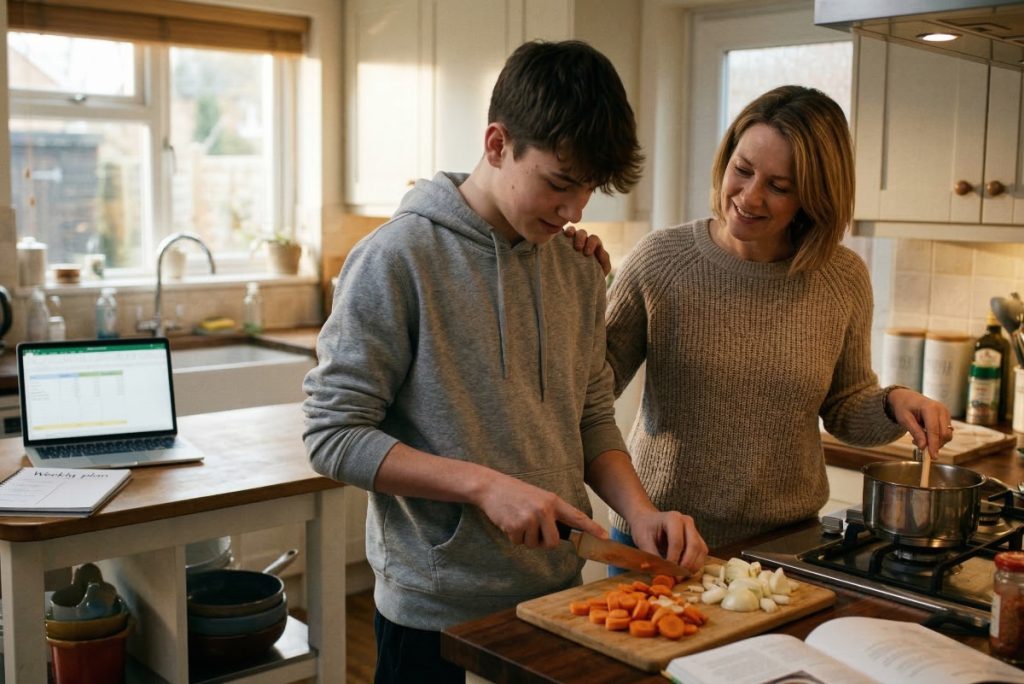
Let your child help with cooking meals. Not only does this teach them about food preparation, but it also introduces concepts of measurement, time management, and even chemistry in a practical context. Involve them in household budgeting discussions, giving them a real-world perspective on the financial concepts they might be learning in maths class.
Encourage problem-solving by allowing your child to figure things out on their own (with guidance, of course). Instead of immediately jumping in to solve their problems, ask questions that guide them towards finding a solution. This approach develops critical thinking skills that will serve them well in all areas of life.
Practice good communication at home. Have regular family discussions where everyone gets a chance to express their thoughts and feelings. This helps develop emotional intelligence and effective communication skills – abilities that are crucial in both personal and professional life.
Remember, every small skill learned is a step towards independence. It’s not about perfection, but progress. Celebrate the small victories – the first successfully folded laundry, the first balanced budget, the first calmly resolved conflict. These are all stepping stones on your child’s path to becoming a capable, confident adult.
The Road Ahead
As we navigate the complex world of raising well-rounded children, it’s clear that both traditional school education and practical life skills play vital roles. They’re not competing forces, but complementary ones. By fostering both, we prepare our children not just for good grades, but for a life well-lived.
Here at Kaleidoscope of Life Skills, we’re committed to supporting you on this journey. We offer a range of courses and activities designed to develop essential practical life skills in children of all ages. From financial literacy workshops to communication skills courses, we’re here to help you fill in the gaps and raise capable, confident children ready to take on life’s challenges.
Remember, education isn’t just about what happens in the classroom. It’s about preparing our children for the beautiful, complex, sometimes challenging world that awaits them. By balancing academic knowledge with practical skills, we’re giving them the best possible start in life.